Are Real Estate Agent Fees Negotiable in Albany WA?
If you are asking whether real estate agent fees are negotiable in Albany, the short answer is yes, often they are. The better question is what value, protection, service and negotiation strength sit behind that fee in the first place.

I have a cheeky line I sometimes use when sellers ask me this in person. I’ll smile and say, yes, I’m negotiable, but I’ve only ever really been trained to negotiate upwards, just like I do for your sale price. It gets a laugh, but there’s truth in it too.
My role is not to be the cheapest option in town. My role is to present every commission dollar with genuine value and give you the best chance of a stronger, safer result. If that value is clear, the fee conversation usually makes sense. If the value is weak, that is when commission starts to feel hard to justify.
Yes, fees can be negotiated, but that should never be the only comparison
In real estate, it is easy to focus on the percentage and miss the bigger picture. A seller might save a small amount on commission, but lose far more through weak negotiation, poor buyer follow up, low quality marketing, poor communication, weak strategy, or a deal that falls apart because it was not handled properly.
That is why I always encourage sellers to compare more than just the fee. Compare strategy, communication, buyer management, quality of marketing, local knowledge, honesty, availability, follow up, negotiation skill, and whether the agent actually feels like the right fit for you and your property.
What a real estate fee actually covers
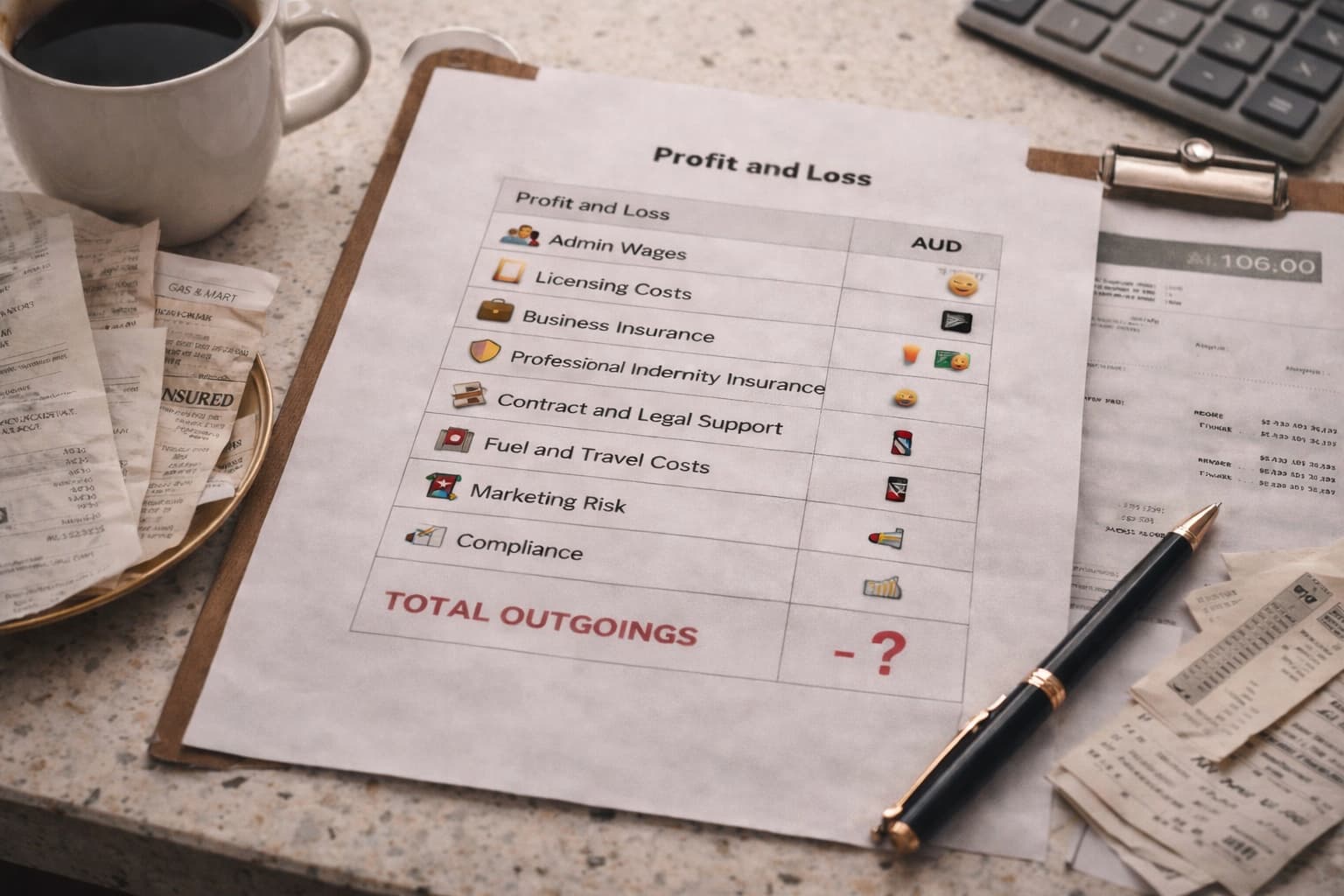
A lot of people understandably look at a commission figure and think it all goes straight into the agent’s pocket. That is not how it works. Behind every sale there are real business costs, real risks and a lot of moving parts that most people never see.
- Professional indemnity insurance and business insurance
- Licensing and ongoing compliance obligations
- Contract handling and legal process support
- Admin staff and sales support behind the scenes
- Buyer management and follow up
- Database work, enquiry handling, and campaign coordination
- Travel time, fuel, inspections, meetings and feedback calls
- Risk carried by the agency while the property is on market
- Experience, judgment, negotiation and problem solving
It also helps cover the structure around the sale that keeps things legal, clear, safe and moving. A good campaign has more going on behind it than most people realise.
A good agent protects you emotionally as well as financially
This part matters more than people often realise. A good agent is not just there to stick a sign up and pass messages around. A good agent absorbs pressure, filters buyers, keeps communication measured, manages timing, calms unnecessary noise, and helps hold a deal together when emotions start to wobble.
Selling property can be stressful. It is personal, financial and emotional all at once. Part of my job is to protect the process, protect momentum, and protect the seller from unnecessary chaos.
You can trim a fee on paper. The real question is whether the plan behind that fee gives you the best chance of a better net result, with less stress and less risk.
The cheapest fee is not always the cheapest outcome
This is where a lot of sellers get caught. A lower commission sounds attractive at first glance. Fair enough. But if that cheaper fee comes with weaker negotiation, weaker buyer pressure, weaker follow up or weaker strategy, the seller can end up worse off overall.
Saving a little on commission can cost a lot more if the property sells for less than it should, sits too long, loses buyer momentum, or falls over during the contract stage. That is why I always say that in real estate, you usually get what you pay for.
If low cost is the only goal, there are always cheaper ways to sell a property. You can sell it yourself with a piece of cardboard out the front. But my job is to explain where the value sits, what the risks are, and whether the plan behind the fee gives you the best chance of a stronger result.

Some agents cut their fee to win the listing
This happens. Some agents will trim their fee quickly if they think that is what it takes to secure the listing. I understand why sellers notice that. It can sound appealing. But there is an important question behind it, what happens after the listing is won?
Because winning the listing is not the same as winning the sale. I would rather be clear about value, structure the service properly, and make sure the seller understands exactly what they are paying for than throw out a cheap number just to get a signature.
Not every seller needs the exact same package
Some vendors are suited to a premium full service campaign. Others may be better suited to a leaner package. Some homes need more buyer reach and more campaign strength. Some need a simpler strategy.
Part of my role is helping work out which path makes the most sense for your property, your timing, your goals and your budget. That is one reason I do not believe in forcing one rigid model onto every seller.
Marketing can be structured in different ways
Marketing is another area where sellers often want clarity. In some cases, marketing can be included as part of the overall fee structure. In other cases, it can be paid separately up front. There are pros and cons to both approaches, and the right structure depends on the property, the campaign and the seller’s preferences.
Where I am covering that cost as part of the arrangement, there can be less upfront financial risk for the seller, especially if a property does not successfully settle. That can be a meaningful advantage for some owners. The important thing is that it is explained clearly from the start.
Want to compare the numbers for yourself? Use my Albany commission calculator to get a quick estimate and see how selling costs may look in real terms before making any decisions.
I do not take every listing, and I think that matters
I do not believe I need to say yes to every listing opportunity that comes my way. If I genuinely think I am not the right fit for a property, a situation or a seller, I will say so. That honesty matters.
Likewise, if I believe I can do an excellent job and bring real value, I do not want the fee conversation alone to get in the way of a strong working relationship before we have properly looked at what is actually being offered. Fit matters. Trust matters. Communication matters. Shared expectations matter.
Sometimes the right advice is not to list yet
Sometimes the best advice is not to rush to market. A seller may be better off waiting, preparing the property properly, changing the campaign approach, sorting presentation first, or timing the launch more carefully. If I think a property would benefit from that, I will say it.
My job is not just to take a listing. My job is to help guide the seller towards the best possible result.
Commission is usually paid on success, so the agent is carrying risk too
In most cases, commission is tied to a successful sale. That means the agent is not just doing work. The agent is also carrying risk. There is time, effort, preparation, travel, follow up, negotiation, buyer management and often significant upfront input before the sale is actually completed.
That is one reason why good agents are heavily motivated to see the transaction handled properly from start to finish.
A strong negotiator can often recover their fee
This is one of the clearest value points in real estate. A strong agent can often justify their fee through the way they negotiate. Better buyer pressure. Better timing. Better follow up. Better control of emotion. Better reading of the room. Better handling of competing interest.
Sometimes that means a stronger sale price. Sometimes it means better terms. Sometimes it means keeping a shaky deal alive when it might otherwise fall apart. Either way, negotiation skill matters. A lot.
So, are real estate agent fees negotiable?
Yes, often they are. But the better question is whether the service, strategy, communication, protection and negotiation skill behind that fee give you confidence and value. That is the real test.
I am not trying to be the cheapest agent in town. I am trying to be the right agent for the job. And if I believe I can bring genuine value to your sale, I will work hard to make sure every commission dollar feels justified.
Frequently asked questions
Yes, in many cases they can be discussed. But the smarter approach is to compare what is actually included, how the property will be handled, and whether the agent gives you confidence in the process and result.
Not always, but they can. A lower fee can be appealing on the surface, but if the campaign, follow up or negotiation is weaker, the seller may end up losing more in the final result than they saved in commission.
It helps cover the service and structure behind the sale, including administration, compliance, insurance, legal support, contract handling, buyer management, travel, follow up, systems, experience and negotiation.
Sometimes yes. Marketing can be structured in different ways depending on the property and the agreement. In some cases it can be built into the overall fee. In other cases it may be paid separately up front.
That depends on how the agreement and marketing structure are set up. This is why it is important to understand clearly what is included, what is paid separately, and what risk sits where before signing anything.
No. If I do not think I am the right fit for the property or situation, I will say so. I think honesty early is better than forcing a working relationship that is not right.
Sometimes parts of an agreement can be discussed, but it is always better to have the fee structure, inclusions and expectations clearly agreed before the property goes live.
Not on fee alone. You should compare the full package, including communication, strategy, negotiation skill, marketing, professionalism and whether the agent feels like the right person to represent your home.
Yes, that can happen. A stronger negotiator can sometimes create better buyer pressure, protect terms more effectively and help achieve a higher or cleaner result, which can more than outweigh the fee difference.
That is completely fine. In some cases the best advice is to wait, prepare better, improve presentation or choose a better time to launch. A good agent should be honest enough to tell you that.